Ashwagandha Extract: Traditional Roots and Modern Everyday Wellbeing
In the bustling, hyper-connected modern world, maintaining a sense of balance and harmony in our daily lives has become more crucial—and often more challenging—than ever before. For those exploring the profound potential of traditional botanicals, Ashwagandha has emerged as a cornerstone of everyday wellness. This remarkable herb, with its deep and storied roots in ancient Ayurvedic tradition, has found a resonant and lasting place in contemporary wellness routines across the nation. As we explore the fascinating landscape of Ashwagandha benefits UK consumers are increasingly discovering, we will delve deeply into its rich history, its nuanced role in modern daily routines, and how it contributes to maintaining a balanced, proactive lifestyle.
Whether you are a seasoned wellness enthusiast with a cabinet full of botanical companions, or someone taking their very first steps towards a more mindful and holistic approach to daily living, understanding the subtle nuances of this time-honoured botanical can empower your choices. Let us embark on a comprehensive, informative journey through the fascinating world of Ashwagandha, unearthing its traditional heritage, examining its botanical characteristics, and understanding its esteemed place in contemporary wellbeing practices.
Understanding Ashwagandha: A Comprehensive Botanical Overview
Ashwagandha, known scientifically by the botanical name Withania somnifera, is a stout, small evergreen shrub belonging to the Solanaceae (nightshade) family. It is native to the dry regions of India, the Middle East, and parts of North Africa. Often referred to colloquially as “Indian Ginseng” due to its traditional uses, or “Winter Cherry” because of its small, bright red fruit, this resilient plant has been utilised for thousands of years within the Ayurvedic system. Ayurveda is a comprehensive, traditional approach to wellness that fundamentally emphasises balance, preventative care, and harmony within the body’s systems.
The Profound Significance of the Root
While various parts of the Ashwagandha plant—including the leaves, seeds, and even the fruit—have been used in different traditional contexts over the centuries, it is the root of the shrub that is most highly prized and extensively utilised in modern wellness preparations. The root is carefully harvested, typically after a full year of growth to ensure maturity, then meticulously dried, and processed into a fine, earthy powder or a highly concentrated extract. This careful and deliberate preparation is absolutely essential for capturing the plant’s natural properties and making its complex profile of constituents accessible and convenient for daily modern use.
Decoding Adaptogens: What Are They?
Ashwagandha is widely and prominently classified as an “adaptogen.” In the ever-evolving realm of botanical wellness, adaptogens are a highly select group of herbs, roots, and certain mushrooms that are believed to support the body’s natural resilience. Rather than targeting a single, specific area or offering a forceful, singular action, adaptogenic herbs are thought to work more subtly, contributing to maintaining general equilibrium and homeostasis. They are often described as acting like a thermostat, helping to gently regulate and maintain balance. When exploring the landscape of Ashwagandha benefits UK residents often highlight this adaptogenic quality, viewing it as a supportive companion in navigating the inevitable ebbs and flows of their busy, demanding lives.
The Deep Heritage of Ashwagandha in Ayurveda
To truly appreciate the value of Ashwagandha today, one must look back at its foundational, revered role in Ayurveda. Originating in India over 3,000 years ago, Ayurveda translates roughly to “the science of life,” and it remains one of the world’s oldest whole-body healing systems. In Sanskrit, the ancient language of India, “Ashwa” means horse and “Gandha” means smell. This name traditionally symbolises the robust, grounding, and vital nature of the plant, suggesting that it imparts the strength and vigour of a stallion.
A Central Pillar of Traditional Balance
Within the complex framework of Ayurvedic practices, Ashwagandha is celebrated as a premier “Rasayana.” Rasayanas are traditional herbal preparations and practices that are considered to support overall vitality, promote longevity, and maintain general wellbeing. For centuries, traditional practitioners have valued the root for its perceived ability to support the normal, healthy function of the body. It has historically been used to help individuals maintain a sense of calm and collectedness amidst life’s daily physical and mental demands, acting as a grounding force in traditional holistic health protocols.
The Concept of Doshas
In Ayurvedic philosophy, wellbeing is closely tied to the balance of three vital energies, or “Doshas,” known as Vata, Pitta, and Kapha. These Doshas are believed to govern our physical and mental characteristics. Ashwagandha is highly regarded for its unique ability to balance Vata (often associated with movement, air, and the nervous system) and Kapha (associated with structure, earth, and water). By supporting the balance of these vital energies, traditional practitioners believe Ashwagandha helps to maintain a harmonious internal environment.
Modern Resurgence and Popularity in the UK
In recent years, the profound wisdom of these traditional practices has found a highly receptive and welcoming audience in the United Kingdom. As more individuals actively seek out holistic, preventative approaches to their daily routines, the historical reverence for Ashwagandha has seamlessly translated into modern appreciation. This bridging of ancient, time-tested tradition and contemporary, fast-paced lifestyle is a powerful testament to the enduring appeal and perceived value of botanical wellness. The modern consumer is increasingly looking for natural, grounding elements to incorporate into their daily lives, and Ashwagandha fits this requirement perfectly.
Exploring the Modern Ashwagandha Benefits UK Consumers Value
Today, Ashwagandha is far more than just a historical footnote or a dusty artifact of ancient medicine; it is an active, vital participant in the daily wellness routines of thousands across the UK. While it is crucially important to remember that botanical supplements are meant to be part of a broader, holistic lifestyle approach and not a magical quick fix, understanding exactly how Ashwagandha is used today can provide valuable context for those considering adding it to their regimen.
Supporting a Balanced, Proactive Lifestyle
The pace of modern life in the UK—with its constant connectivity, demanding careers, and busy family lives—can undoubtedly be demanding. Many proactive individuals turn to Ashwagandha as a supportive, balancing element in their daily regimen. Regular, consistent incorporation of this botanical is often associated with a mindful, proactive approach to maintaining a balanced lifestyle.
- Maintaining Daily Equilibrium: Used traditionally to support the body’s natural balance and harmony in the face of daily stressors.
- Everyday Vitality and Wellbeing: Chosen by many as a steady, reliable daily companion to support normal function and overall vitality.
- Seamless Holistic Routine: Integrates easily and conveniently into both morning preparations or evening relaxation wellness practices.
- Supporting Normal Cognitive Function: Often valued by those looking to maintain clarity and focus throughout their busy working days.
The Vital Role of KSM-66® Extract
When selecting an Ashwagandha product, understanding the type of extract used is absolutely paramount for ensuring quality and efficacy. Many premium, high-quality options utilise a specific, highly concentrated, full-spectrum root extract, most notably referred to as KSM-66®. This particular extraction method is globally renowned for its meticulous, traditional-yet-modern process. It aims to meticulously preserve the natural, delicate balance of the various active constituents (such as withanolides) found within the original raw herb. Importantly, the KSM-66® process achieves this without using harsh chemical solvents or alcohol, adhering closely to the principles of “Green Chemistry” and traditional Ayurvedic preparation methods.
Integrating Ashwagandha into Your Daily Routine
Embracing the potential of Ashwagandha is often about establishing consistency and finding the right, sustainable approach for your unique, individual needs. Here are some thoughtful, practical ways to seamlessly incorporate this traditional botanical into your contemporary lifestyle.
Finding Your Optimal Timing
There is no single, universally “correct” time to take Ashwagandha; it very much depends on personal preference, your unique daily schedule, and how it best fits into your personal rhythm.
- The Morning Start: Some individuals prefer taking it with their breakfast or morning smoothie as a foundational, grounding step to begin their day with intention.
- Midday Support: Others choose to incorporate it during their lunch break, using it as a moment of mindful reset before tackling the afternoon’s tasks.
- The Evening Wind Down: For many, it forms a crucial part of an evening relaxation routine, taken alongside a warm, soothing beverage and a good book to help transition away from the day’s activities.
Choosing the Right Form for You
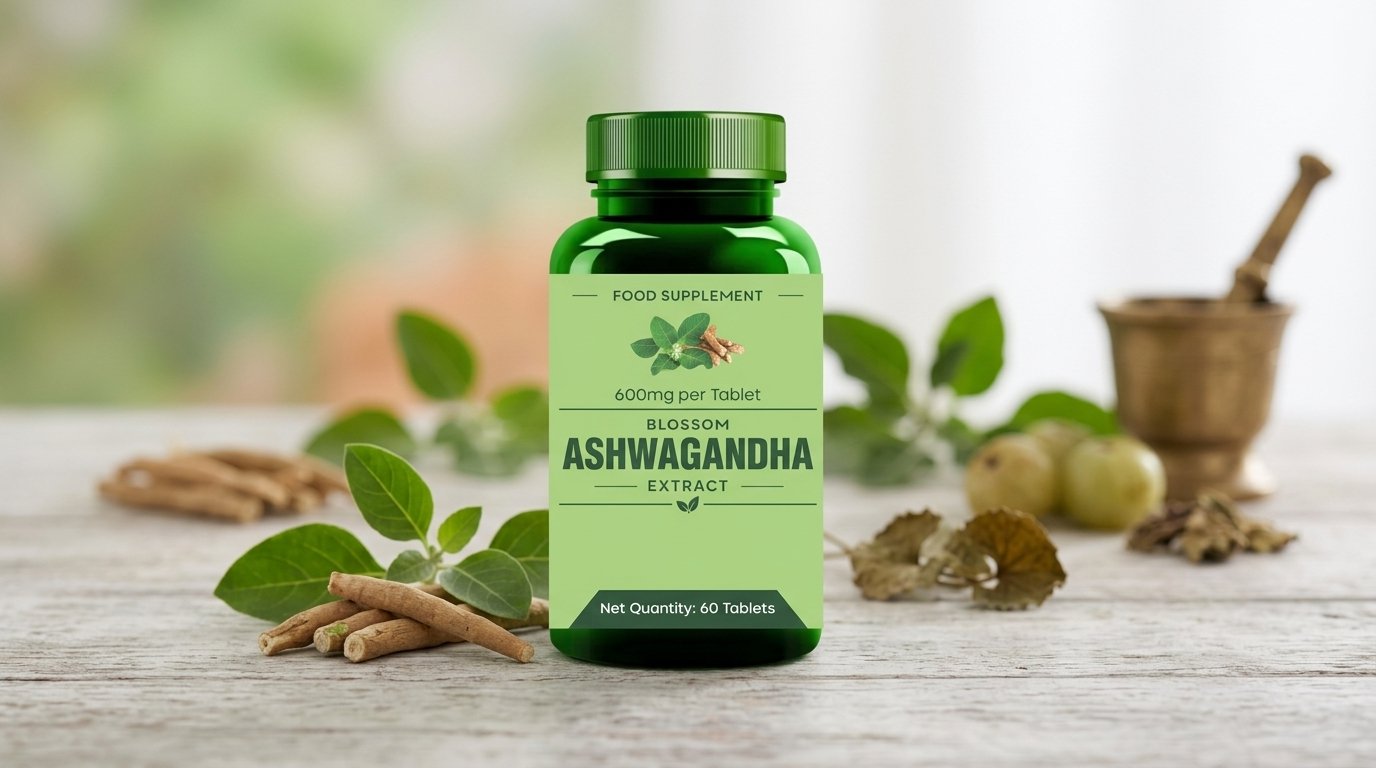
Ashwagandha is commercially available in several distinct forms, ranging from traditional loose powders that can be mixed into drinks, to convenient, pre-measured capsules or tablets. For those seeking a precise, mess-free, and reliable daily option, choosing a high-quality extract in capsule form is often the preferred route for its sheer ease of use. If you are actively looking for a premium, carefully formulated option, we highly recommend you consider exploring the Blossom Ashwagandha Extract, which has been expertly designed to seamlessly integrate into your daily wellness regimen.
Comparing Botanicals: Ashwagandha and Maca
When exploring the vast world of botanical wellness, it is incredibly helpful to understand how different herbs compare and contrast. Both Ashwagandha and Maca are currently highly popular choices in the wellness community, but they originate from entirely different geographic traditions and offer distinct, unique characteristics.
| Feature | Ashwagandha (Withania somnifera) | Maca (Lepidium meyenii) |
|---|---|---|
| Geographic Origin | India, Middle East, North Africa | High Andes Mountains, Peru |
| Traditional System | Ayurveda (Indian Traditional System) | Traditional Peruvian and Incan practices |
| Common Classification | Adaptogen / Rasayana | Often considered a robust, general botanical food source (cruciferous vegetable) |
| Primary Part Used | Root (occasionally leaves in specific preparations) | Hypocotyl/Root (often consumed as a roasted vegetable or ground into flour) |
| General Wellness Focus | Used traditionally to support balance, calm, and maintain normal function | Historically consumed as a dietary staple for endurance, energy, and vitality |
Quality, Sourcing, and Sustainability: What to Look For
As the popularity of this botanical grows, it is vital to recognise that not all Ashwagandha products are created equal. When navigating the complex landscape of Ashwagandha benefits UK consumers must diligently prioritise quality, transparent sourcing, and ethical practices.
The Importance of Root-Only Extracts
According to the strictest traditional Ayurvedic texts and practices, the most beneficial and sought-after properties are heavily concentrated in the root of the plant. Some modern, cost-saving preparations may include the leaves or stems of the plant to increase bulk and reduce manufacturing costs. However, discerning consumers who are well-informed often seek out guaranteed root-only extracts to ensure they are receiving a premium product that is fully aligned with historical usage and traditional wisdom.
Third-Party Testing, Transparency, and Trust
Reputable, trustworthy brands will always be transparent about their sourcing locations and manufacturing processes. It is advisable to look for products that undergo rigorous, independent third-party testing to meticulously ensure purity, potency, and consistency. This steadfast commitment to quality control ensures that what is stated on the label is precisely what is contained in the bottle, completely free from unwanted additives, heavy metals, or harmful contaminants.
Sustainable Cultivation
With increased global demand, sustainable farming practices are more important than ever. High-quality Ashwagandha should ideally be cultivated using methods that respect the local environment, preserve soil health, and support the farming communities that have grown these traditional herbs for generations.
Credible Resources for Further Exploration
For those who wish to delve deeper into the fascinating world of botanical wellness, adaptogens, and traditional practices, there are numerous highly credible resources available online. Reputable health portals, academic institutions, and botanical councils often provide comprehensive, evidence-based overviews of historical usage and general botanical information. You can explore more about the botany and history of traditional herbs at globally respected institutions such as the Royal Botanic Gardens, Kew. Additionally, you can read general botanical profiles and holistic wellness guides provided by the Bupa Health Information directories. Expanding your knowledge through these trusted sources can further empower your personal wellness journey.
Frequently Asked Questions (FAQs)
Can Ashwagandha be taken every single day?
Yes, many people actively choose to incorporate Ashwagandha into their daily routine, much like a daily vitamin. Consistency is often viewed as key when using traditional botanical supplements to allow their subtle properties to integrate with your lifestyle. However, it is generally recommended to carefully follow the specific usage instructions provided on your chosen product’s label. Some practitioners also suggest taking occasional short breaks, a practice sometimes referred to as ‘cycling’, to assess how your body responds.
How long does it typically take to notice the effects of Ashwagandha?
Unlike pharmaceutical quick-fix solutions, botanical supplements typically work gradually and in harmony with your body’s natural systems. The subtle, supportive qualities of Ashwagandha may take several weeks of consistent, daily use to become apparent. Patience, daily adherence, and paying attention to your overall sense of wellbeing are important factors when introducing a new botanical to your routine.
Is Ashwagandha suitable for vegetarians and vegans?
The Ashwagandha root itself is, of course, a plant and is entirely suitable for both vegetarians and vegans. However, when purchasing a supplement, it is absolutely essential to check the other ingredients used in the specific product, particularly the composition of the capsule shell. Fortunately, many premium products today utilise plant-based cellulose capsules (often labelled as HPMC), making them fully vegan-friendly.
Can I take Ashwagandha alongside other daily supplements?
Ashwagandha is frequently and successfully used as part of a broader, comprehensive wellness routine that may include other daily vitamins, minerals, or botanicals. While it is generally well-tolerated alongside most other common daily supplements, if you have specific health concerns, pre-existing conditions, or are currently taking prescribed medication, it is always the best and safest practice to consult with a qualified healthcare professional before adding any new supplement to your daily regimen.
Conclusion: Embracing Traditional Wisdom Today
The remarkable journey of Ashwagandha—from its revered place in ancient, foundational Ayurvedic texts to its prominent position in modern wellness cabinets across the UK—is a fascinating and inspiring testament to its enduring appeal and relevance. As we navigate the myriad complexities, stressors, and demands of contemporary life, the deep-seated desire to maintain balance and actively support our everyday wellbeing remains a universal and powerful pursuit.
By taking the time to understand its traditional roots, appreciating its botanical characteristics, and recognising the modern Ashwagandha benefits UK enthusiasts value, we are better equipped to make informed, empowered decisions about our daily wellness practices. Whether you are primarily drawn to its rich, historical heritage or its modern role as a supportive, balancing adaptogen, Ashwagandha undoubtedly offers a compelling, natural botanical option for those actively seeking to maintain a harmonious and balanced lifestyle.
Always remember that true, lasting wellness is inherently a holistic endeavour. It encompasses not just supplementation, but also a consistently balanced diet, regular physical movement, adequate restorative rest, and mindful practices. In this comprehensive, multi-faceted approach to health, high-quality, thoughtfully sourced botanicals like the Blossom Ashwagandha Extract can serve as a highly valuable, reliable companion on your ongoing journey to achieving and maintaining everyday wellbeing.